














Interview – Meat industry and beef in Spain: vertical integration, quality and traceability
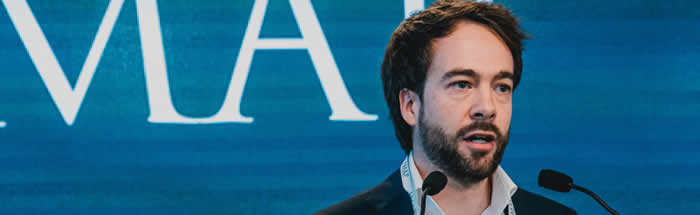
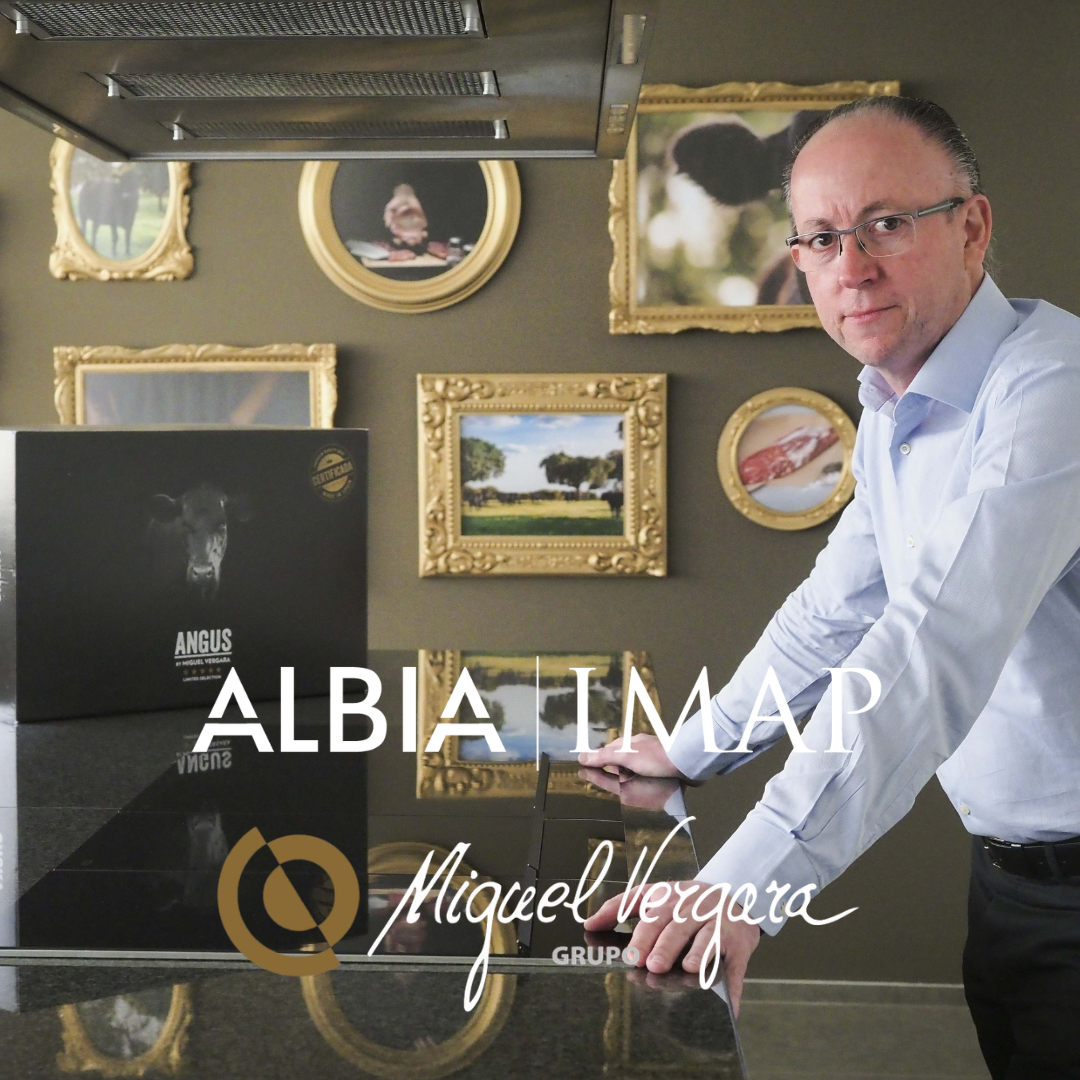
In Albia IMAP’s M&A Report – Meat Industry (2026), we speak with Miguel Vergara, founder and chairman of Grupo Miguel Vergara, one of the leading players in beef production and commercialisation in Spain. In this interview, Vergara discusses the main challenges facing the meat sector—from regulatory pressure and the lack of generational replacement to changing consumer preferences—and explains why vertical integration (breeding, fattening, processing and distribution) is essential to ensure supply, consistency, traceability and a proprietary brand. His perspective is particularly relevant in a context of market consolidation, M&A activity and the pursuit of greater value added across the animal protein value chain.
Here is the interview:
“Within the framework of the meat industry report prepared by Albia IMAP, we spoke with Miguel Vergara, chairman of the eponymous meat group and one of the leading figures in beef production and commercialisation in Spain. From its family roots in Castile and León, the company has evolved into a fully integrated model covering everything from breeding and fattening to meat processing and distribution. In this interview, Miguel Vergara shares his view on the sector’s structural challenges, the evolution of consumption, and his group’s commitment to quality, traceability and proprietary brands.
How do you currently see the meat sector, and beef in particular?
The sector is going through a period of profound transformation. On the one hand, global demand for protein continues to grow, driven by population growth and improving living standards in many countries. But at the same time, beef production is declining. The reasons are varied: increasingly restrictive environmental legislation, pressure from lobbies promoting alternative meats and, above all, the lack of generational replacement.
Today it is hard to find people willing to work 365 days a year in livestock farming. New generations are looking for more comfortable and more profitable sectors, and many rural owners are replacing livestock activity with alternatives such as solar energy, wind power or intensive pistachio or almond crops.
If we add to this the low profitability of the first link in the chain—calf breeding—the result is a global decline in production. And when shrinking supply is combined with growing demand, the outcome is clear: meat will become increasingly expensive and within reach of fewer consumers.
In this context, how are companies in the sector reacting? Is an integration process taking place similar to that of other livestock segments?
Yes, although with limitations. In pork or poultry, the entire chain has been able to be industrialised because the animal can be raised in facilities with standardised processes. That is not the case with cattle: cows need space, pasture and extensive management. That makes it impossible to industrialise the first link in the chain.
At Grupo Miguel Vergara, we are fully integrated, but it has been a long process. We started with the fattening phase and industry, and later incorporated breeding. Today we have farms owned, leased and integrated throughout Spain. This model allows us to guarantee supply and control quality from the source, but it is demanding and involves significant barriers to entry.
Could you share some figures that illustrate the group’s scale and its role within the sector?
At present, we have a calf production capacity that places us among the leading players in the sector in Spain. On our farms, around 26,000 animals are currently being fattened. However, the group’s structure is complex, as we operate across all levels of the chain.
Part of the production is destined for our own industrial facilities, while another part is exported to countries such as Lebanon, Libya, Algeria or Turkey. In addition, we complement this activity by acquiring animals from other operators. For this reason, it is difficult to establish numerical comparisons. What truly matters is that we produce, process and commercialise under an integrated model that allows us to adapt quickly to the needs of each market.
Does that integrated model also contribute to product quality, right?
Exactly. To achieve high-quality meat, it is essential to control the entire process. Slaughterhouses that buy from multiple farmers receive animals of different breeds, ages and feeding regimes, so it is impossible to obtain a homogeneous product.
Because we have the full chain, we can define genetics, feeding and the processes needed to always offer uniform meat with the quality consumers expect. That is the basis of our differentiation. We were among the first in Spain to work with selected breeds, and we have invested heavily in proprietary brands and traceability.
Have you also noticed greater sophistication in consumption and in distribution?
Without a doubt. Fifteen years ago you would go to the butcher and ask for a kilo of steaks; today, consumers distinguish between breeds, cuts and origins. On supermarket shelves, the range is enormous, and customers look for information, quality and trust. We work closely with distribution chains, adapting meat to the preferences of each market.
In Asturias, for example, lean meat is preferred; in the Basque Country, it is the opposite. In Greece, where we have exported for years, demand is similar to that of northern Spain. That flexibility is only possible when genetics and animal feeding are controlled from the outset.
You mentioned exports. What share do they represent today and which markets do you consider most promising?
Approximately one third of our sales go to international markets. We export across Europe and also to Asia, mainly Hong Kong and Japan, where we have been positioning the brand for years. These are demanding markets, with consumers who value quality and are willing to pay for it.
Outside Spain, we work mainly with Angus beef, a premium product line aimed at customers with high purchasing power. Today we sell in more than 18 countries, and we could grow further, but our current production is fully committed to the clients we already have.
In recent years, the acquisition of Valle de Esla became known. What role does it play within the group?
The Valle de Esla project emerged almost naturally. We knew the brand well and had already collaborated with the Álvarez family, its previous owners. Finally, we reached an agreement to integrate it into our group. It is a line focused on ox meat, primarily aimed at the HORECA channel, where quality and traceability are essential.
Finally, how do you see the future of the sector and of Grupo Miguel Vergara itself?
We are optimistic, but also realistic. The future of meat is about quality and brand. For years, we produced generic meat that chains marketed under private labels. Today, our goal is that within three years, 100% of production will be marketed under our own brands.
The trend is clear: all meat will have a brand, just as happened with wine or milk. But it is also a sector exposed to many risks: droughts, animal diseases and geopolitical tensions directly affect production. Even so, we believe there is enormous potential if one commits to integration, sustainability and excellence.
In our case, the coming years—2026, 2027 and 2028—will be marked by strong investments, both in new industrial facilities and in animal production. We will continue to grow, but always with a very clear premise: to offer quality, traceable, branded meat”
Download the M&A report on the meat sector by clicking here.