


















2026 Meat Industry Report: Key Trends and Market Evolution
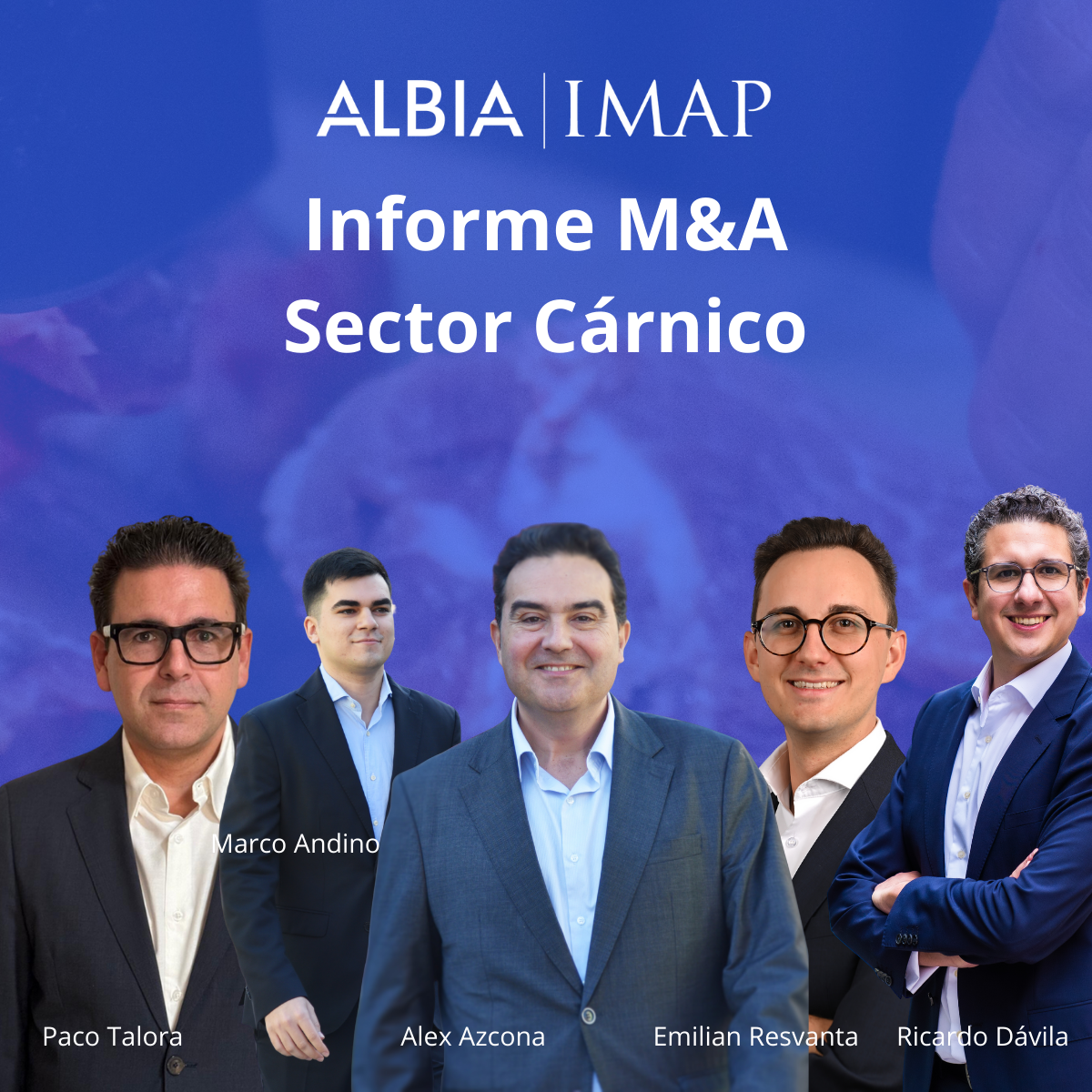
The global meat industry enters 2026 in a context of moderate growth, increasing regulatory pressures and significant transformation across the entire value chain. According to the latest international forecasts included in the report, global meat consumption will continue to rise over the next decade, driven by population growth, higher disposable income and the shift toward protein‑rich diets. Poultry will play a leading role, capturing most of the additional demand due to its competitive price and favourable nutritional profile, while Asia and Latin America will drive production growth.
From a regulatory standpoint, the sector is increasingly shaped by geopolitical forces and new standards linked to sustainability, emissions and animal welfare. Agreements such as Mercosur–EU, the tariffs applied by China in 2025 or temporary sanitary bans are altering competitiveness between regions. At the same time, the European Green Deal and the Farm to Fork strategy are accelerating the need for investment in efficiency, traceability and environmental impact reduction.
Spain stands out as a robust and highly competitive market. In 2024, the Spanish meat industry accounted for more than 23% of the national food sector and exceeded 7.6 million tonnes of production, consolidating the country as the EU leader in pork and a global export powerhouse with presence in over 90 international markets. It is also a strategic sector for employment and regional development, generating over 122,000 direct jobs. Its strong export performance, reflected in a coverage ratio of 411%, confirms the industry’s capacity to create more value abroad than at home.
The report also offers an inside view of the industry through interviews with business leaders. From premium beef to Iberian pork, all agree that the sector is undergoing profound transformation. Vertical integration, quality differentiation, increasingly sophisticated consumer expectations and the growing relevance of exports are reshaping competitiveness. Branded meat, full traceability and the ability to adapt products to each market’s preferences are becoming essential strategic pillars. There is also a clear shift toward higher‑value products, new formats and more selective, premium‑oriented export strategies.
The analysis of the Spanish business landscape confirms the high fragmentation of the sector, with over 3,300 companies ranging from large, fully integrated multiproduct groups to small and medium-sized specialised businesses. Half of the industry’s turnover comes from multiproduct groups, while pork stands out for its scale and industrialisation. All major segments show positive growth, especially those oriented toward premium categories or higher-value pork products.
In the field of mergers and acquisitions, the 2019–2025 period shows record activity, driven by the need to gain scale, improve efficiency and reinforce industrial capabilities. Catalonia, Castilla y León, Andalusia and Madrid concentrate most transactions, with a mix of industrial and financial buyers and a growing presence of private equity. Pork remains the most dynamic subsector, while beef shows more limited activity due to raw material cost volatility and more constrained demand. Poultry, meanwhile, is increasingly attractive thanks to rising consumption and its strategic role as an affordable protein source.
The report highlights that consolidation will continue to shape the industry in the coming years. Rising regulatory requirements, the investments needed to meet new standards and the push toward internationalisation will favour operators with greater scale, financial capacity and brand strength. Premium segments, less exposed to mass‑consumption trends and more aligned with gastronomy and quality-driven demand, show exponential growth and will continue to attract investment.
Overall, by 2026, the Spanish meat industry stands as an international benchmark thanks to its competitiveness, production capacity and business dynamism. In a global environment marked by regulatory change, geopolitical tensions and evolving consumer habits, the companies that lead in sustainability, traceability and differentiation will be best positioned to strengthen their presence both domestically and internationally.